



 Vehicle
 Mobiles
 Electronics
 Fashion
 Properties
 Home-Appliance
 Jobs
Jobs
 Services
 Furniture
 Pets
Pets


The Ultimate Guide to Beauty Products: What You Need to Know
Apr 30, 2026
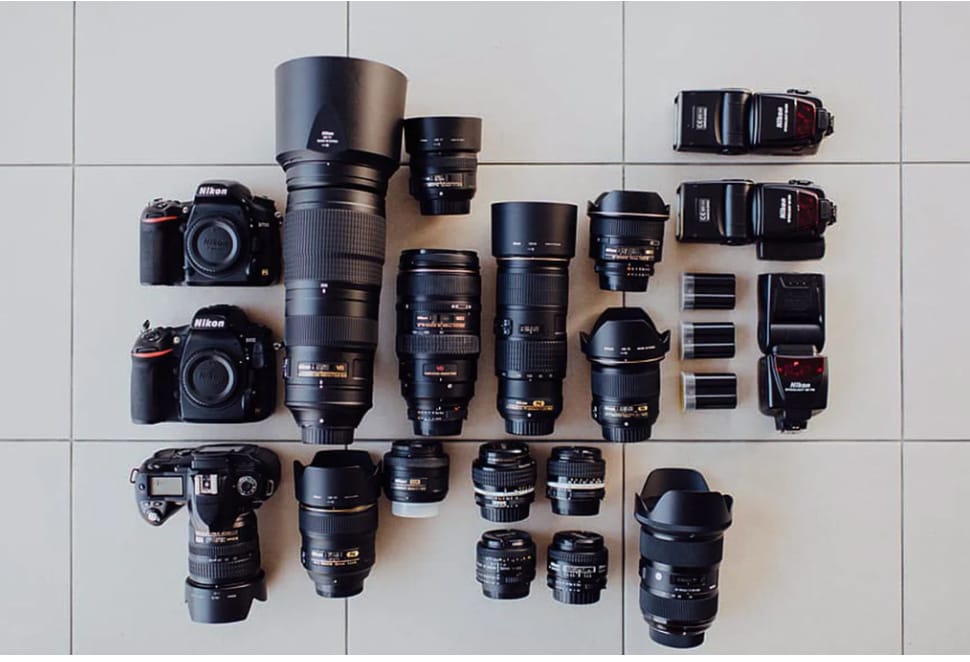
Modern cameras are marvels of technology. From compact mirrorless models to full-frame DSLRs, each type offers unique advantages:
DSLRs: Known for durability, optical viewfinders, and wide lens compatibility
Mirrorless cameras: Lightweight, fast autofocus, and silent shooting
Point-and-shoots: Great for casual photography and travel
Smartphone cameras: AI-enhanced and increasingly powerful for everyday use
Key specs to consider:
Sensor size (Full-frame, APS-C, Micro Four Thirds) affects image quality and depth of field
Megapixels determine resolution, but aren’t everything
ISO range impacts low-light performance
Autofocus system is crucial for sharp, fast shots
Your camera is your canvas. Choose one that fits your style and goals.
If the camera is the body, the lens is the eye. It shapes how you see and what you capture. Different lenses serve different purposes:
| Lens Type | Best For |
|---|---|
| Prime (fixed focal length) | Sharpness, low-light, portraits |
| Zoom (variable focal length) | Versatility, travel, events |
| Wide-angle | Landscapes, architecture, interiors |
| Telephoto | Wildlife, sports, distant subjects |
| Macro | Close-ups, nature, product shots |
| Portrait (e.g., 85mm f/1.4) | Bokeh, flattering facial features |
Understanding aperture (f-stop), focal length, and lens mount compatibility is key to choosing the right lens.
The magic happens when your camera and lens work in harmony. For example:
A full-frame DSLR paired with a fast prime lens (like 50mm f/1.8) is ideal for portraits
A mirrorless camera with a wide-angle zoom (like 16–35mm) excels in travel and street photography
A crop-sensor camera with a telephoto lens (like 70–300mm) is great for wildlife and sports
Always consider your shooting style, environment, and subject matter when building your kit.
Clean your lenses regularly to avoid dust and smudges
Use lens hoods to reduce glare and protect glass
Experiment with manual settings to learn exposure control
Invest in quality over quantity—a few great lenses beat a shelf full of mediocre ones
Practice often—the best gear is only as good as the person using it
Photography is part science, part art—and your gear is the bridge between the two.
CLICK HERE CLICK HERE