




 Vehicle
 Mobiles
 Electronics
 Fashion
 Properties
 Home-Appliance
 Jobs
Jobs
 Services
 Furniture
 Pets
Pets


Preserves nutrients better than cooked foods.
Natural Pet Food Made from natural ingredients Minimal preservatives or additives Often includes real meat, vegetables, and whole grains Easier to digest than heavily processed foods
Showing page 1 of 1

Natural Pet Food Made from natural ingredients Minimal preservatives or additives Often includes real meat, vegetables, and whole grains Easier to digest than heavily processed foods
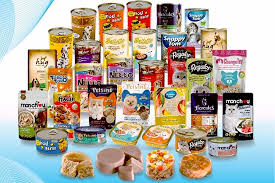
Freeze-dried pet food is raw food (meat, fruits, vegetables, organs, sometimes bone) that has had almost all its moisture removed using a process called freeze-drying. This keeps the food nutrient-dense, lightweight, and shelf-stable while still preserving the benefits of raw nutrition.

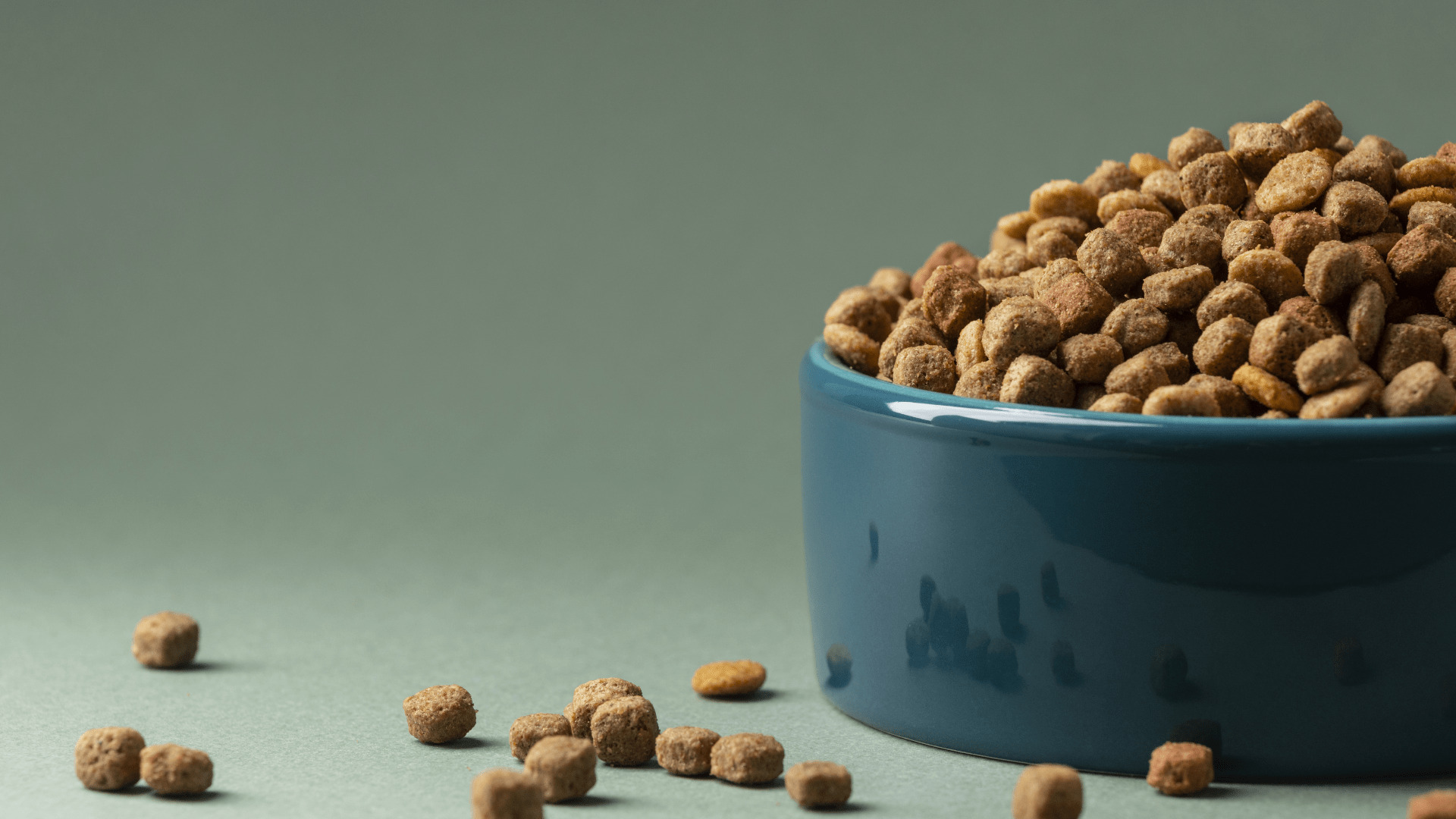
🐾 Pet Food Categories 1️⃣ Dry Food (Kibble) Hard, crunchy pellets Low moisture (6–12%) Long shelf life Affordable and convenient Complete & balanced options 2️⃣ Wet Food (Canned / Pouched) High moisture (70–85%) Soft texture Very palatable Good for hydration Ideal for picky or senior pets

“Buy nutritious, vet-recommended pet food for dogs and cats. Shop dry, wet, grain-free, and organic pet food formulated for puppies, adults, and senior pets. Fast delivery & best prices.” 🔥 High-Traffic SEO Hashtags (for social media) #petfood #dogfood #catfood #petcare #petnutrition #petproducts #healthypets #petparents #doglovers #catlovers #petstore #grainfreepetfood #premiumdogfood #wetcatfood #naturalpetfood

complete and balanced” pet food contains all the nutrients a pet needs (proteins, fats, vitamins, minerals, etc.) for its daily health baseline
Hard to balance nutrients; risk of deficiency or overdose.Meets nutritional needs when chosen correctly.

🐶🐱 Pet Food for Common Pets — What They Eat & What They Need Dogs & Cats Dogs and cats have different nutritional needs — cats especially need more protein and certain nutrients (like taurine, vitamin A, certain fatty acids) that dogs don’t always require. Dry food (kibble) is convenient, inexpensive, shelf-stable, and helps with dental health. Wet/canned food offers higher moisture (good for hydration) and is often more palatable.
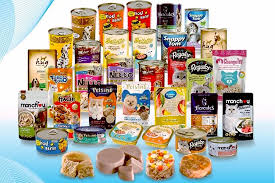
Always pick food labeled “complete & balanced.” Match food to pet species and life stage (puppy/kittens vs adult vs senior). Read ingredient labels carefully — prefer named proteins, avoid fillers & artificial additives. Use dry food for convenience, wet food for hydration and palatability, or mix both. Keep treats limited — they should not make up more than ~10% of daily calories.

Dry food (kibble) is convenient, inexpensive, shelf-stable, and helps with dental health. Wet/canned food offers higher moisture (good for hydration) and is often more palatable. If feeding homemade or raw diets, it must be carefully balanced to ensure all required nutrients are present; otherwise risk of deficiencies or imbalances increases.
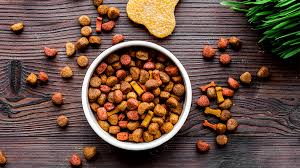
Adjust diet as pet grows older or according to health conditions — use age‑appropriate formulas, or vet‑recommended diets for special needs. Always provide fresh, clean water — crucial for all pets, especially cats and small mammals. MSD Veterinary Manual+1