




Latest Articles

Showing page 1 of 1

Flight time outside the cage in a safe, supervised area.  .

Flight time outside the cage in a safe, supervised area. .

1. Wings and Feathers Wings generate lift and thrust. Feathers reduce air resistance and help with steering. 2. Lightweight Skeleton Hollow bones make birds light, aiding flight. 3. Strong Muscles Powerful breast muscles (pectorals) allow flapping for takeoff and sustained flight 4. Aerodynamic Body Streamlined shape reduces drag and allows smooth flight. Exceptions Not all birds can fly. Examples of flightless birds: Ostriches Emus Kiwis Penguins (they “fly” underwater!)
Seeds & Pellets: Provide a balanced diet; pellets prevent selective eating.

Seeds & Pellets: Provide a balanced diet; pellets prevent selective eating.

Birds are social and intelligent; they need interaction with humans or other birds. Play, talk, or train them regularly to prevent boredom. Consider companion birds for species that thrive in pairs.Placement: Avoid direct sunlight, drafts, and noisy areas. Accessories: Perches, toys, swings, and foraging opportunities for mental stimulation. Cleaning: Clean the cage regularly to prevent disease.

COLOURFULL BIRDS

COLOURFULL BIRDS

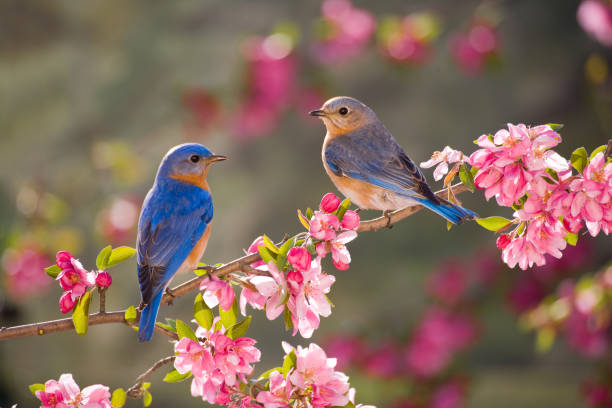
Some colors, like blue or iridescent hues, come from microscopic feather structures that reflect light rather than pigments. Purposes of Color Mating & Attraction: Bright colors attract mates (e.g., male peacock). Camouflage: Some birds blend with their environment to hide from predators. Communication: Colors can signal health, age, or dominance.

Always provide fresh water along with food.

Always provide fresh water along with food.

Caring for Pet Birds Explain the basics of proper care: Housing: Spacious cages with perches and toys. Diet: Seeds, pellets, fruits, and vegetables. Socialization: Interaction and mental stimulation to prevent boredom. Health: Regular vet check-ups and observation for signs of illness.

types of seeds, fruits, vegetables, and supplements for healthy birds.

types of seeds, fruits, vegetables, and supplements for healthy birds.

The most common bird food, especially for pet birds like parakeets, canaries, and finches. Examples: Sunflower seeds, millet, safflower seeds, oats. Tips: Provide a variety to ensure nutritional balance; avoid too many fatty seeds like sunflower for small birds.Commercially prepared food formulated to meet all dietary needs of pet birds

Colorful Birds Around the World

Colorful Birds Around the World

 Feeding Guide for Pet Birds Tips on diet, types of seeds, fruits, vegetables, and supplements for healthy birds. Common Health Issues in Birds Cover signs of illness, preventive care, and when to visit a veterinarian.  Birds and Their Natural Habitats Explore different habitats—forests, deserts, wetlands, and urban areas—and how birds adapt to them. orests, deserts, wetlands, and urban areas—and how birds adapt to them.

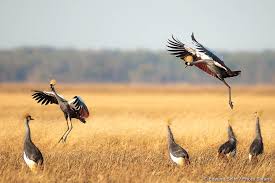
Best times to see birds flying.

Best times to see birds flying.

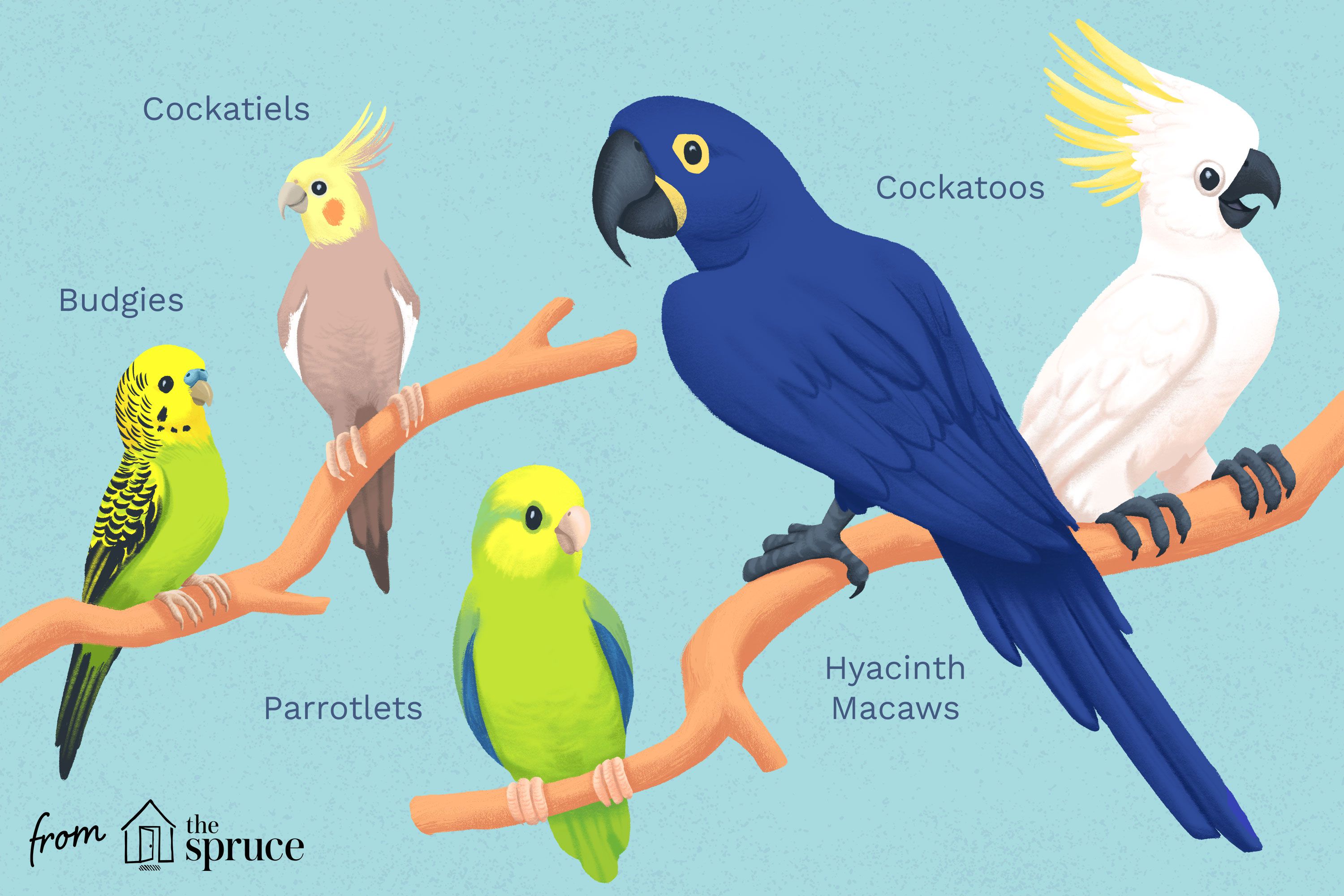
Birds are colorful, intelligent, and social companions. They offer a unique type of pet experience compared to cats, dogs, or other animals. Example: “Birds aren’t just beautiful to watch—they can become affectionate, playful, and even talkative companions in your home.” 2. Popular Pet Birds List some common pet birds and a few key traits: Parakeets (Budgies): Small, social, easy to care for, good for beginners. Canaries: Known for singing, colorful, low-maintenance. Cockatiels: Friendly, playful, and can mimic sounds. Lovebirds: Small, affectionate, and bond closely with their owners. African Grey Parrots: Extremely intelligent, can learn words and phrases. 3. Caring for Pet Birds Explain the basics of proper care: Housing: Spacious cages with perches and toys.

Chirps & Tweets: Stories from the Sky.

Chirps & Tweets: Stories from the Sky.

Some birds migrate thousands of miles every year. Birds can fly at speeds over 60 mph (like the Peregrine Falcon in a dive). Flight requires lightweight bones and strong chest muscles.Wings and Feathers: Birds’ wings are shaped to create lift, and feathers help control movement.

Birdwatching Adventures: Stories from Nature.

Birdwatching Adventures: Stories from Nature.

General & Informative Feathered Friends: A Blog About Birds The Birdwatcher’s Journal Wings & Wonders: Exploring the World of Birds Chirps & Tweets: Stories from the Sky Fun & Playful Tweet Life: Adventures in Birdwatching Pecking Order: All About Birds Flock Talk: Birds Up Close Wing It: Tales of Birds and Nature

birds

birds

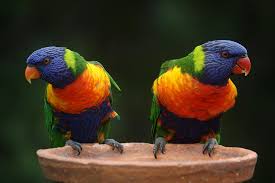
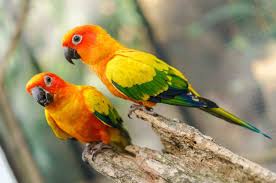
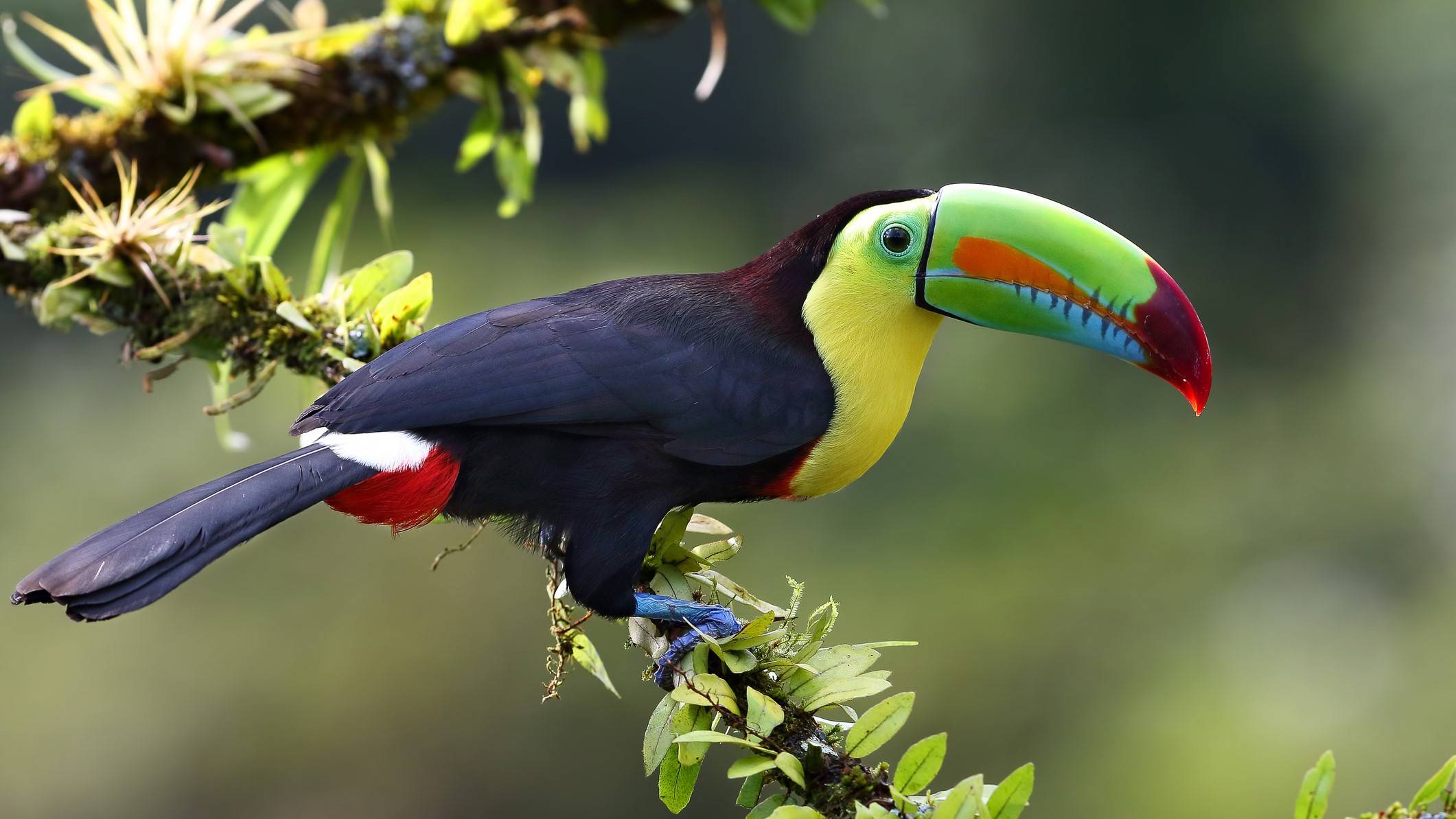
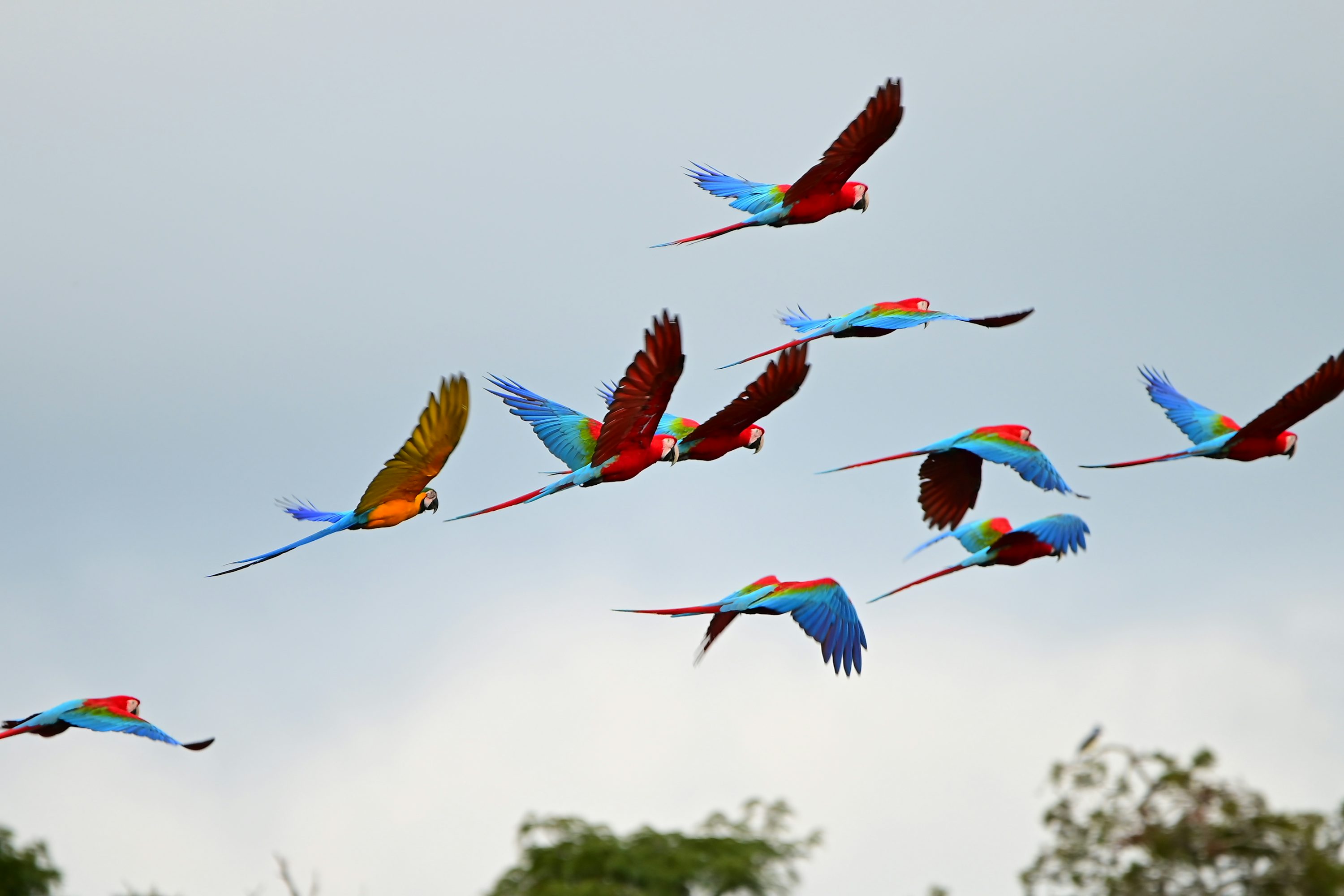
• Peacocks display shimmering blues and greens. • Flamingos get their pink color from their diet. • Parrots show off a rainbow of feathers.

Now Loading