



 Vehicle
 Mobiles
 Electronics
 Fashion
 Properties
 Home-Appliance
 Jobs
Jobs
 Services
 Furniture
 Pets
Pets


The Ultimate Guide to Beauty Products: What You Need to Know
Apr 30, 2026
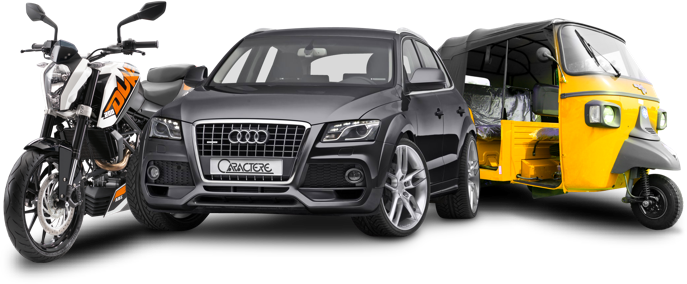
A vehicle is a machine designed for transporting people or goods from one place to another. It usually has wheels, an engine or motor, and is operated either by a person or automatically.
Vehicles run on different power sources such as:
🚘 Main Types of Vehicles
🏍 Two-Wheelers
Two-wheelers are fast, fuel-efficient, and easy to handle.
Examples:
Best for: Daily commuting, solo travel, and short distances.
🚗 Four-Wheelers
Four-wheelers are used for personal and family transportation.
Examples:
Best for: Family travel, comfort, and long-distance journeys.
🚛 Commercial Vehicles
These are used for transporting goods and passengers on a large scale.
Examples:
Best for: Business, logistics, and public transportation.
🚜 Heavy Vehicles & Construction Equipment
Examples:
Best for: Farming, construction, and industrial work.
✈ Air Vehicles
Examples:
Best for: Long-distance travel and surveillance.
🚢 Water Vehicles
Examples:
Best for: Transportation across water and trade.
✅ Benefits of Vehicles
Vehicles are the backbone of economic development and global trade.
🛒 How to Choose the Right Vehicle
Before purchasing a vehicle, consider:
✔ Purpose
Personal use, business, transport, farming, or travel.
✔ Fuel Type
Petrol, diesel, electric, or hybrid.
✔ Budget
Check the overall cost including maintenance and fuel.
✔ Comfort & Features
Look for safety features such as airbags, ABS, cameras, and navigation.
✔ Mileage & Performance
Choose a fuel-efficient and high-performance vehicle.
🌿 Environmental Impact
Fuel-based vehicles cause pollution and contribute to climate change. That’s why many people are now switching to electric and hybrid vehicles.
Eco-friendly options include:
These options help reduce carbon footprint and protect the environment.
🔮 The Future of Vehicles
The future of transportation is exciting and innovative. We are moving toward:
Technology will make vehicles safer, cleaner, and more efficient.