



 Vehicle
 Mobiles
 Electronics
 Fashion
 Properties
 Home-Appliance
 Jobs
Jobs
 Services
 Furniture
 Pets
Pets


The Ultimate Guide to Beauty Products: What You Need to Know
Apr 30, 2026
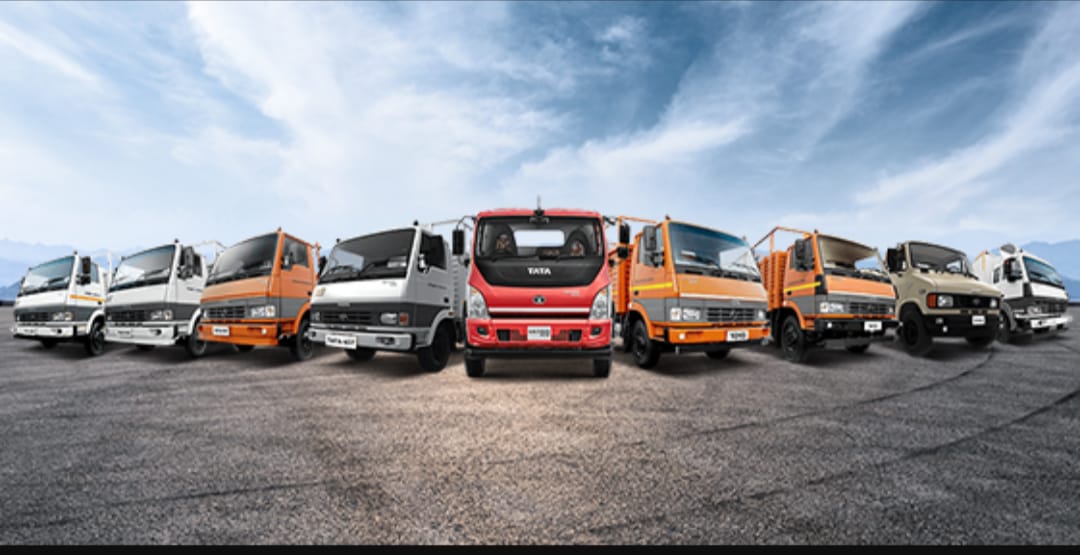
Commercial vehicles are motor vehicles specifically designed for business use. They are engineered to carry goods, equipment, or passengers, helping businesses operate smoothly across various industries.
🔧 Key Types of Commercial Vehicles:
Light Commercial Vehicles (LCVs): Small trucks, delivery vans, and minibuses, ideal for local deliveries and small business operations 🚐.
Medium & Heavy Commercial Vehicles (MHCVs): Large trucks and lorries for transporting bulk goods over long distances 🏗️.
Passenger Transport Vehicles: Buses and coaches used in public transport, employee shuttles, or tourism services 🚌.
Specialized Commercial Vehicles: Refrigerated trucks, tankers, dump trucks, and mobile service units 🚛.
✅ Reliable Goods Transportation – Move products, raw materials, and equipment efficiently between locations, ensuring timely delivery and satisfied customers.
✅ Increased Productivity – Dedicated commercial vehicles help businesses maintain consistent operations without relying on third-party carriers.
✅ Cost Efficiency – Investing in the right vehicles reduces operational costs compared to renting or outsourcing 🚀.
✅ Customizable Solutions – Available in various sizes and configurations to meet the unique needs of different industries 📊.
✅ Safety & Compliance – Commercial vehicles are designed to comply with safety and regulatory standards, reducing the risk of accidents or fines 🛡️.
Perfect for small business owners, courier services, and local deliveries 🚐. LCVs are easy to maneuver in city traffic and offer great fuel efficiency.
Used by logistics companies and manufacturers for bulk transportation. Ideal for long-distance freight with high payload capacity 🚛.
Buses, minibuses, and coaches serve public transportation, employee commute services, and private tours 🚍.
Refrigerated trucks ❄️ for perishable goods, tanker trucks 🚰 for liquid transport, and dump trucks 🚧 for construction needs.
✔️ Assess Your Business Needs – Understand the load capacity, type of cargo, and average distance to determine vehicle size and type.
✔️ Fuel Type – Diesel remains popular for power and efficiency, while electric commercial vehicles are growing for eco-friendly options ⚡.
✔️ Maintenance & Service Network – Choose brands with a strong service presence and affordable spare parts.
✔️ Safety Features – Look for ABS brakes, airbags, advanced driver-assistance systems (ADAS), and stability control for safer operation 🛡️.
✔️ Technology Integration – Fleet management systems, GPS tracking, and telematics help monitor vehicle usage and optimize efficiency 📡.
🚀 Electric Commercial Vehicles (e-LCV & e-Trucks) – Reduce emissions and operating costs, ideal for urban delivery and short-haul logistics 🌱.
📱 Connected Fleet Solutions – Real-time monitoring, predictive maintenance alerts, and fuel efficiency tracking 📊.
🧱 Autonomous Trucks – Emerging technology promises driverless long-haul freight solutions with enhanced safety and efficiency 🤖.
🔧 3D-Printed Spare Parts – On-demand manufacturing for hard-to-find or discontinued components 🖨️.
✔️ Extensive Range of New & Used Vehicles – LCVs, MHCVs, buses, and specialized trucks.
✔️ Expert Consultation – Helping you select the right vehicle based on industry, load, and operational requirements 🧑🔧.
✔️ Flexible Financing Options – Lease, rent, or purchase, designed to fit your business budget 💰.
✔️ Reliable After-Sales Service – Maintenance packages, roadside assistance, and warranty support 🚨.
✔️ Green Options Available – Helping your business go eco-friendly with electric vehicle choices 🌿.
Commercial vehicles are more than just transportation – they are strategic assets that increase efficiency, ensure safety, and boost productivity 🚀.
From transporting goods across the city to delivering passengers safely, the right commercial vehicle keeps your business moving forward without disruption.
Invest in reliable, durable, and technology-driven commercial vehicles to maximize your ROI and stay ahead of the competition 📈.