




 Vehicle
 Mobiles
 Electronics
 Fashion
 Properties
 Home-Appliance
 Jobs
Jobs
 Services
 Furniture
 Pets
Pets


The Ultimate Guide to Beauty Products: What You Need to Know
Apr 30, 2026
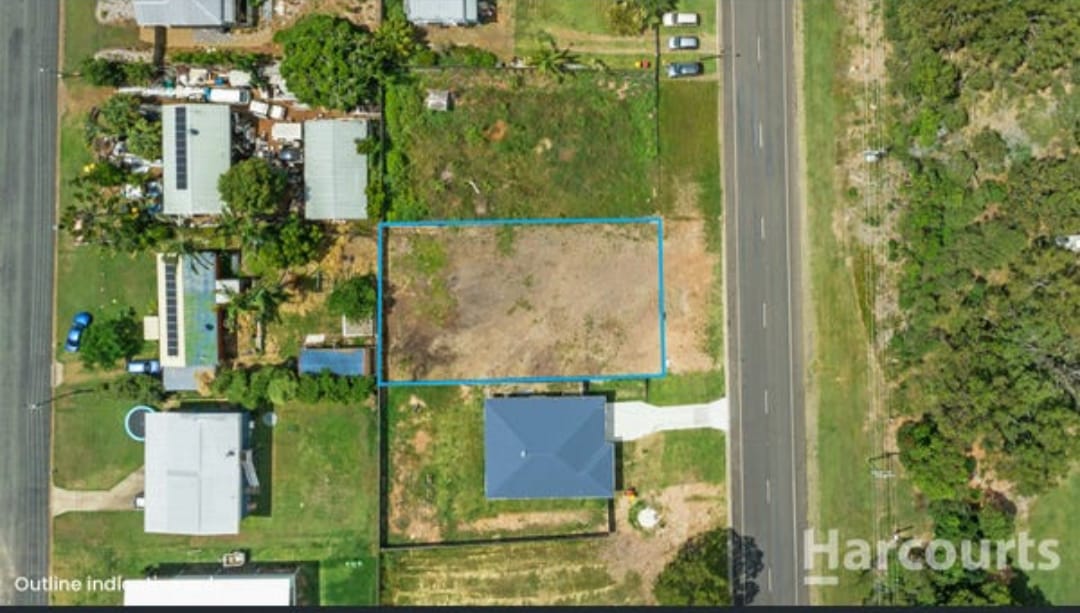
Scarcity: Unlike buildings, land can't be manufactured.
Flexibility: Use it for farming, building, leasing, or holding.
Low Overhead: No tenants, no repairs—just ownership.
Appreciation: Especially in developing regions or near infrastructure projects.
Include a visual chart comparing land appreciation vs. other asset classes.
🧭 Types of Land and Their Uses
When considering different types of land for investment or development, it's important to understand the unique advantages each category offers. Residential plots are ideal for home construction and tend to carry high resale value, especially in growing neighborhoods. Agricultural land is perfect for farming or eco-friendly projects, often providing tax benefits and long-term sustainability. If you're looking to build or lease for business purposes, commercial land offers strategic locations with high return on investment, particularly in areas with strong foot traffic and flexible zoning. Lastly, recreational land—such as scenic plots used for tourism or retreats—can tap into niche markets and offer a unique experience-driven value. Each type of land serves a distinct purpose, and choosing the right one depends on your goals, budget, and vision for the future.
Zoning regulations and permitted uses
Topography and soil quality
Access to utilities and roads
Environmental restrictions or protected zones
Use a checklist graphic to make this section skimmable.
Lease to solar or wind energy companies
Develop tiny home communities or eco-resorts
Create event venues or outdoor experiences
Hold and flip as urban expansion increases demand
Include mood boards or concept visuals to spark imagination.
Stage the property with clear boundaries and signage
Offer drone tours and virtual walkthroughs
Highlight nearby development projects
Tell a story—what could this land become?
For more insights, check outthis guide on selling vacant land effectively.