




 Vehicle
 Mobiles
 Electronics
 Fashion
 Properties
 Home-Appliance
 Jobs
Jobs
 Services
 Furniture
 Pets
Pets


The Ultimate Guide to Beauty Products: What You Need to Know
Apr 30, 2026
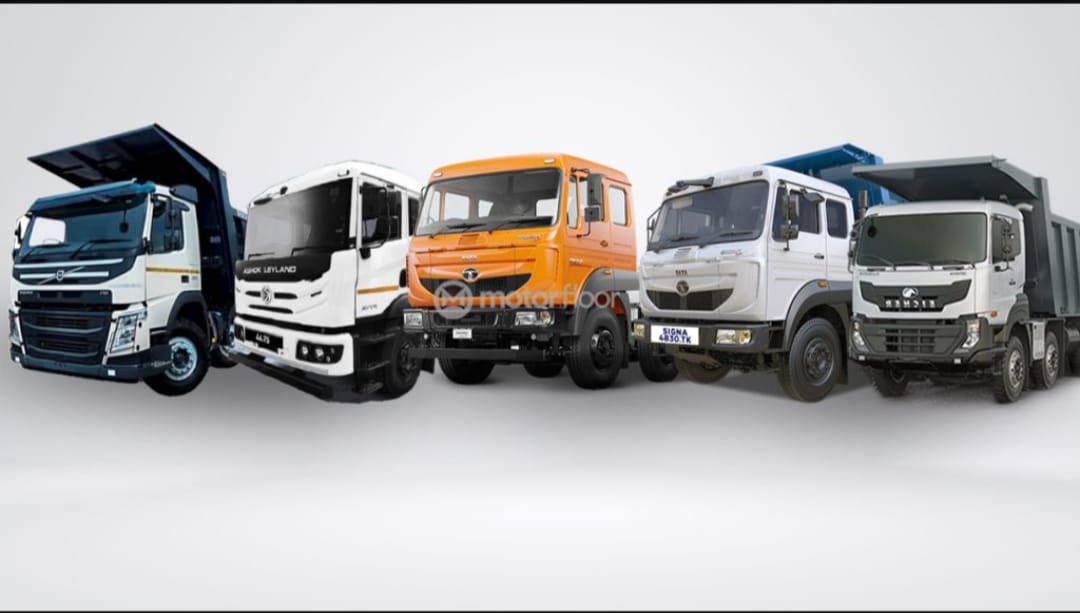
Commercial vehicles are designed with functionality, durability, and efficiency in mind. Unlike personal vehicles, they’re optimized for:
Heavy-duty performance: Capable of carrying large loads and operating in tough conditions.
Fuel efficiency: Engineered to reduce operational costs over long distances.
Custom configurations: From refrigerated trucks to tipper lorries, they’re built to suit specific business needs.
Whether it’s a pickup, van, bus, or trailer, each type serves a unique purpose in the business ecosystem.
Let’s take a look at how different sectors use commercial vehicles to stay competitive:
| Industry | Vehicle Type | Use Case |
|---|---|---|
| Logistics & Delivery | Cargo vans, trucks | Transporting goods across regions |
| Construction | Tippers, flatbeds | Moving materials to job sites |
| Agriculture | Tractors, mini trucks | Hauling produce and equipment |
| Public Transport | Buses, minibuses | Commuter and employee transport |
| Food Services | Refrigerated vans | Preserving perishables in transit |
Technology is reshaping the commercial vehicle landscape. Fleet owners now benefit from:
GPS tracking for real-time location and route optimization
Telematics for monitoring fuel usage, driver behavior, and maintenance needs
Electric and hybrid options for eco-conscious operations
Smart fleets reduce downtime, improve safety, and boost profitability.
Choosing the right commercial vehicle isn’t just about horsepower—it’s about ROI. Here’s what to consider:
Payload capacity: Match the vehicle to your cargo needs
Mileage and fuel type: Diesel, petrol, or electric—each has pros and cons
Maintenance costs: Look for reliability and easy access to service centers
Resale value: Some brands retain value better than others
A well-informed purchase today can save thousands tomorrow.